Constraints: A Blessing and A Curse
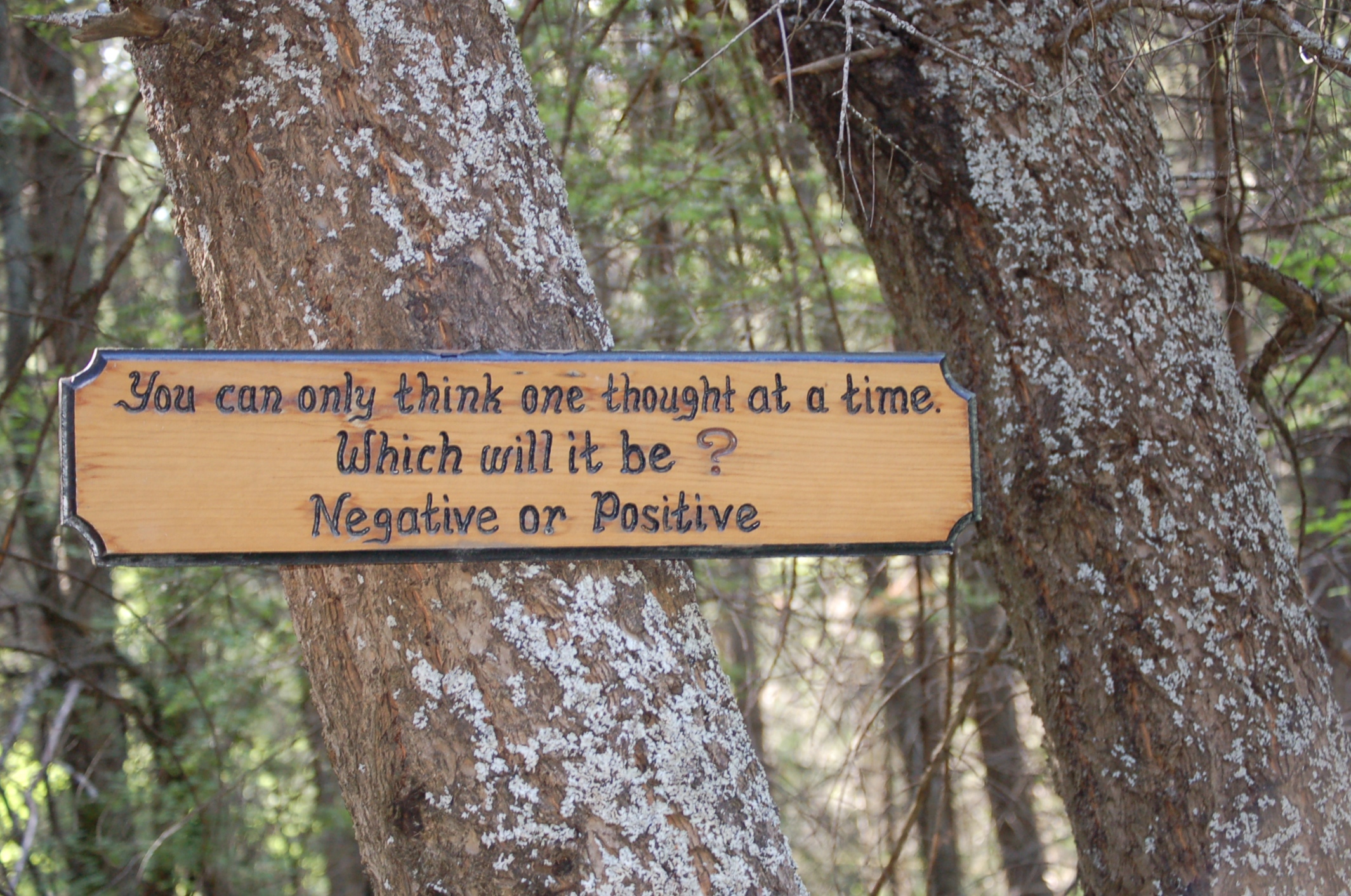
I tend to be a more productive writer, and happier with the results, when I place some up-front limitations on the exercise. Like: “This can’t be more than 400 words.” Or: “I have to include one powerful bit of deep description before I start trying to persuade.”
My biggest struggles as a beginning writer, though, weren’t with those kinds of constraints. They were:
Over-editing—or overthinking before I even got started—because in my own judgment, the product wasn’t going to be good enough. (A constraint I put on myself.)
Seriously, I cared a whole lot less if someone else thought my writing sucked than if I put something out there and later found something to nitpick myself about.
And:
Being labeled a specialist in a particular area, which felt like a path to “lather, rinse, repeat” writing… and intense boredom. (A constraint that felt imposed by others.)
If any of this resonates with the business communicator or creative writer in you, here’s what helped me:
For short, everyday writing, limit your own rounds of review and space them out. Read it aloud, tighten it up, then put it aside. If it makes sense, get a peer or trusted thought partner to weigh in. Make changes if you need to, then put it aside again. Come back, proofread it carefully, and let it go. Your audience will react however they react. You can’t control that part, and trying to will make you crazy.
Experiment. Change things up. Convey a sensory moment to your reader using a different creative mode than your usual. No one might ever read it, but it might loosen you up. At work, ask questions about the strategy your writing supports—see if tweaking your approach can strengthen its connections and help it matter more to your audience.
Two things will probably happen. Most of what you get back will be more positive than you fear. And the rest will build your resilience to future criticism. Think of your “writer’s ego” like the fingers on a guitarist’s fretting hand. It takes some toughening up before the work feels easier.